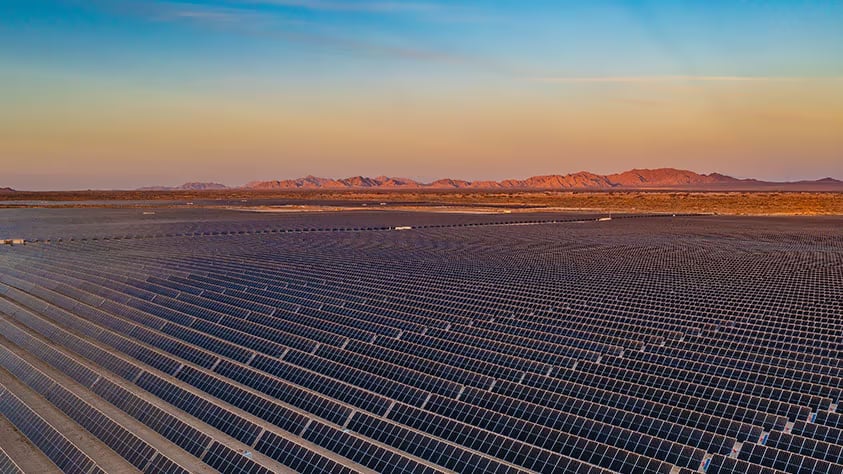
Energy has become a strategic business asset for industrial and commercial operations. Advances in intelligent energy management systems (EMS), battery storage, on-site renewable generation, and electric vehicle (EV) charging are giving facilities new ways to reduce electricity costs while creating opportunities for additional revenue.
Your Energy Bill Has Two Problems
Most industrial electricity bills have two major components, and understanding both is where the opportunity starts.
The first is straightforward: you pay for the energy you consume, measured in kilowatt-hours.
The second is where things get expensive in ways that are easy to miss: a demand charge. This is a fee based on the single highest power draw your facility registered during the billing period, even if that peak lasted only fifteen minutes. Run too many systems at once during one afternoon and you can set a higher rate that applies for the entire month.
This means managing your energy bill is not only about using less electricity overall. It is about controlling when you use it, preventing those spikes, and being smarter about when you pull power from the grid.
These are the opportunities this article will help you think through.
Three Assets That Can Change the Picture
There is no single piece of equipment that solves this. But three types of assets, when coordinated intelligently, can make a real difference.
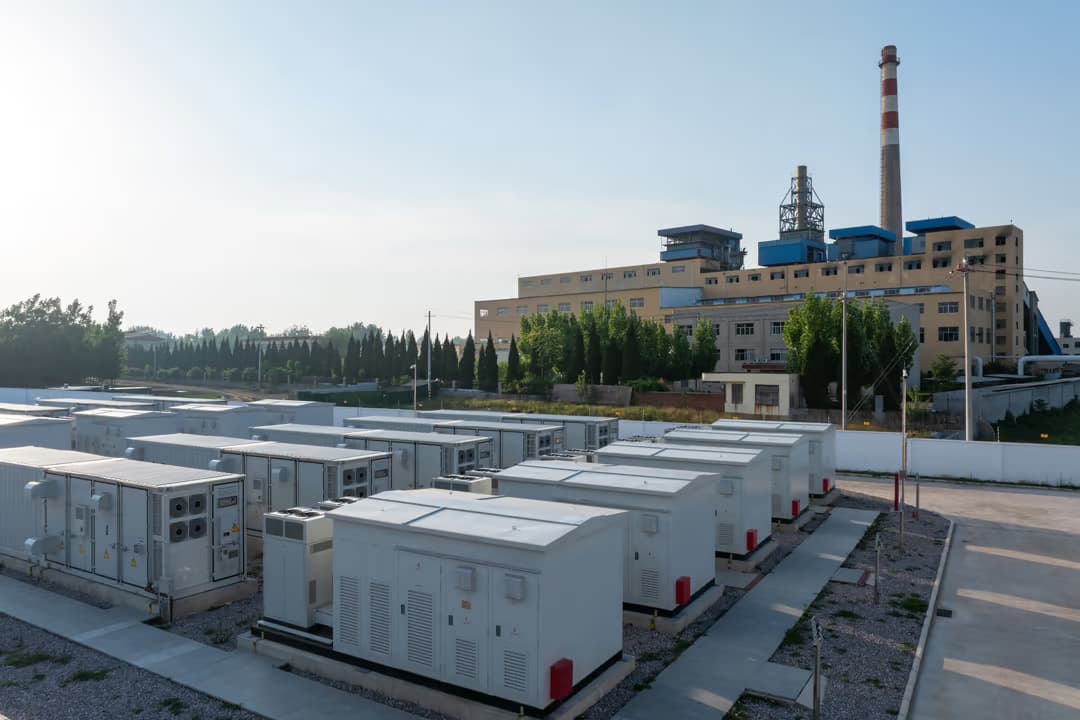
Battery storage works like a large rechargeable buffer. You charge it when electricity is cheap, typically overnight or during hours when your solar is generating more than you need, and draw from it when grid prices are higher or when your site is about to hit a demand peak. Modern lithium battery systems maintain 85 to 90 percent efficiency through the charge-discharge cycle, which means very little of what you store is lost in the process.
On-site generation (most commonly solar) reduces how much you buy from the grid. The catch is timing: most solar generates peak power around midday, but site demand often peaks later in the afternoon. A battery fixes that gap. Instead of exporting surplus solar at low rates or wasting it, you store it and use it when it is worth more.
EV charging infrastructure adds load to your site, which sounds like it makes things worse. Unmanaged, it does. If every vehicle charges whenever it is plugged in, you get demand spikes that drive up your bill. But controlled EV charging is a different story. When your charging infrastructure can be told when to run, it becomes a flexible load you can shift to off-peak windows and away from expensive peak hours. In some cases the EV batteries can also be used to help you peak shave.
Each of these assets delivers something on its own. What changes the economics is running all three as a coordinated system.
The EMS Is What Makes the System Work
An energy management system (EMS) is the decision-making layer that sits on top of your physical assets.
Think of it this way: your battery, solar array, EV chargers, and grid connection are the physical pieces. The EMS is the intelligence that decides what to do with them, continuously, in real time.
Should the battery charge right now, or is electricity too expensive? Is the site approaching a demand peak where battery discharge would prevent a costly spike? Are multiple EV chargers about to run simultaneously and cause a problem? Is there surplus solar that should be stored or sent to the grid?
Without an EMS, each asset follows its own default logic. The battery charges whenever it can. The chargers run whenever a vehicle is connected. The solar gets absorbed or exported at whatever the utility offers. The equipment exists, but it is not coordinated.
With an EMS, those decisions happen automatically, based on real-time data. According to GridX's overview of how EMS architecture works, the system pulls continuous data from sensors, generation forecasts, and price signals and translates that into control decisions across your assets. That is not monitoring. That is active management.
The practical result: instead of reacting to what your energy bill says at the end of the month, you are actively shaping what it will be.
Where the Savings Come From, and Where Revenue Is Possible
This is the point where it is worth being clear about what different outcomes actually mean.
Peak shaving is cost reduction, not revenue. When the EMS prevents a demand spike by discharging the battery at the right moment, you avoid paying a higher demand charge. You do not earn money. You stop the meter from recording a number that would cost you more. For many facilities, this is where the clearest and most immediate financial impact shows up. Facilities using behind-the-meter battery storage for this purpose have documented annual electricity cost reductions of 10 to 20 percent.
Buying low and using battery storage during peak hours is also cost reduction. If your tariff includes time-of-use rates, where electricity costs more during peak hours than off-peak, storing cheap nighttime electricity and using it during expensive afternoon windows saves money without selling anything back to the grid.
Grid services is where actual revenue becomes possible. In markets that allow it, a facility with battery storage can earn money by making that storage available to the grid. Grid operators pay for systems that can quickly absorb or release energy when the grid needs balancing, whether that means smoothing frequency fluctuations or reducing demand during tight supply periods.
FERC Order 2222 opened US wholesale electricity markets to this kind of participation for systems down to just 100 kW, accessible for many mid-sized industrial facilities. The requirements include real-time, automated response capability, which is exactly what a well-configured EMS provides. Smaller facilities can pool with others through a licensed aggregator to meet the threshold.
Analysis from Macquarie Asset Management found that combining cost reduction with grid service revenue significantly improves the overall economics of a storage project compared to pursuing either outcome alone. The combination is where the strongest financial case gets built.
What This Means for Your Operation
If you have a large energy footprint, an existing solar installation, or a growing number of electric vehicles on your site, you may already have most of the ingredients for a smarter energy system. The missing piece is often the coordination layer that makes what you have work together.
The practical starting point is your current energy bill. If demand charges represent a significant portion of what you pay, that is usually the first area where storage and intelligent control pays off. From there, time-of-use management adds another layer of savings. And in markets with the right regulatory framework, grid services participation opens up the revenue side.
The shift is not complicated to understand, even if the technical setup requires expertise. You move from buying energy and reacting to the bill to managing energy as a system, one where your assets are coordinated, your costs are more predictable, and in some markets, your facility earns from what it produces.
FAQ
How does demand charge reduction actually work in practice?
Your EMS monitors your facility's total power draw in real time. When consumption is approaching a level that would register a costly demand peak for the month, the EMS discharges the battery to cover part of the load. From the utility's perspective, the meter sees a lower peak than your actual equipment would have required. That translates directly to a lower demand charge. For facilities with variable loads or unpredictable EV charging schedules, this kind of real-time control can change the monthly bill meaningfully.
Is peak shaving the same thing as demand response?
Similar idea, different mechanisms. Peak shaving is something you do for yourself: using stored energy to avoid a spike on your own meter. Demand response is a program where a grid operator or utility pays you to reduce your consumption on request, usually during periods of high grid stress. Demand response requires coordination with the grid, program enrollment, and the ability to respond on short notice. Both benefit from having storage and an EMS that can act quickly, but peak shaving is internal while demand response involves an external program with its own terms.
Can a facility our size actually participate in grid services?
For most mid-sized industrial operations, yes. FERC Order 2222 set the minimum for US wholesale market participation at 100 kW. Facilities below that threshold can combine with others through a licensed aggregator. The core requirement is automated dispatch capability: your EMS must be able to respond to grid signals in real time and meet the metering standards the market requires. The regulatory path has become significantly clearer for mid-sized operations since FERC Order 2222 was implemented.
What if we do not have solar yet? Is storage still worth it?
Yes. A battery and a well-configured EMS deliver peak shaving and time-of-use savings with or without on-site generation. Solar improves the economics by giving you energy to store that you generated yourself, at zero fuel cost. Every kilowatt-hour you generate and store is one you do not need to buy from the grid. Many operations start with storage and demand management, prove the financial impact, and then add generation as a second phase. You do not need the complete system on day one.
How QiOn Approaches the Energy Stack
QiOn's Q-EMS platform is built to coordinate battery storage, on-site generation, and EV charging as one integrated system. It reads real-time grid signals, generation output, and demand forecasts and makes continuous decisions: when to charge or discharge the battery, when to pace EV charging, and when surplus power should be exported. On the storage side, QiOn's THUNDERSTORAGE systems provide the physical capacity the system draws on, configured for demand management and grid services participation. For operators ready to move from managing energy costs to building toward revenue, QiOn's Strategic Services team supports the full process from site assessment through commissioning and market integration.
Ready to turn your energy infrastructure into a system that works for your operation? Talk to a QiOn energy specialist.
Sources
- Battery Storage: Strategies for Revenue Stacking and Investment Success | Macquarie Asset Management
- FERC Order No. 2222 Fact Sheet | Federal Energy Regulatory Commission
- FERC Order No. 2222 Explainer | Federal Energy Regulatory Commission
- What Is an Energy Management System | GridX
- Enabling Renewable Energy with Battery Energy Storage Systems | McKinsey
- Q-EMS Platform | QiOn
- THUNDERSTORAGE | QiOn
- Strategic Services | QiOn